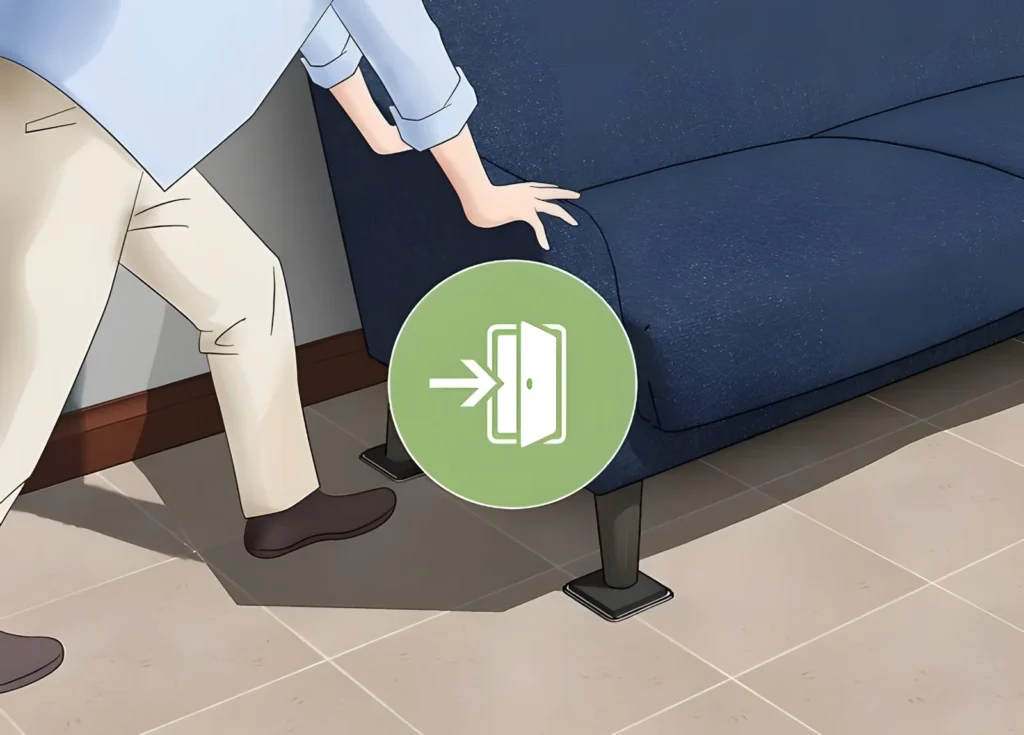
– Remember to remove outlet covers and light switch covers so you don’t accidentally paint them! You’ll probably need a Phillips-head screwdriver for that.
Here’s everything you need to know to get started with your paint project, plus our top tips on how to paint a room
– Remember to remove outlet covers and light switch covers so you don’t accidentally paint them! You’ll probably need a Phillips-head screwdriver for that.
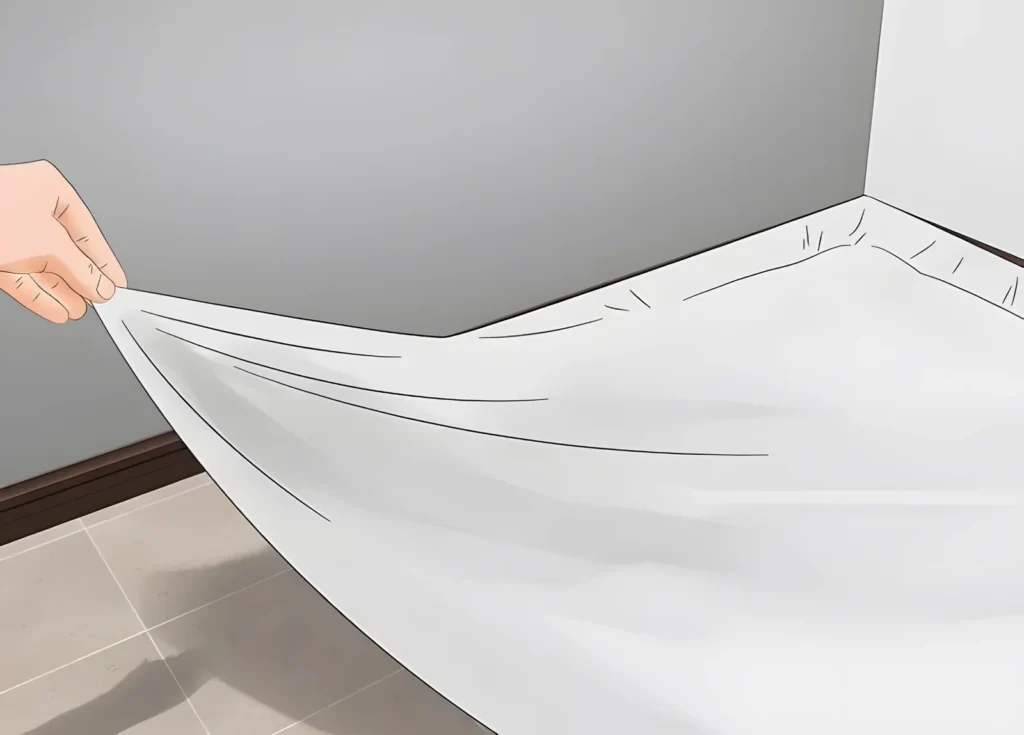
– Avoid using cloths to cover the floor and furniture, like towels or bedsheets. The paint can soak through the fabric, and the stains will be harder to clean if you don’t notice them right away.
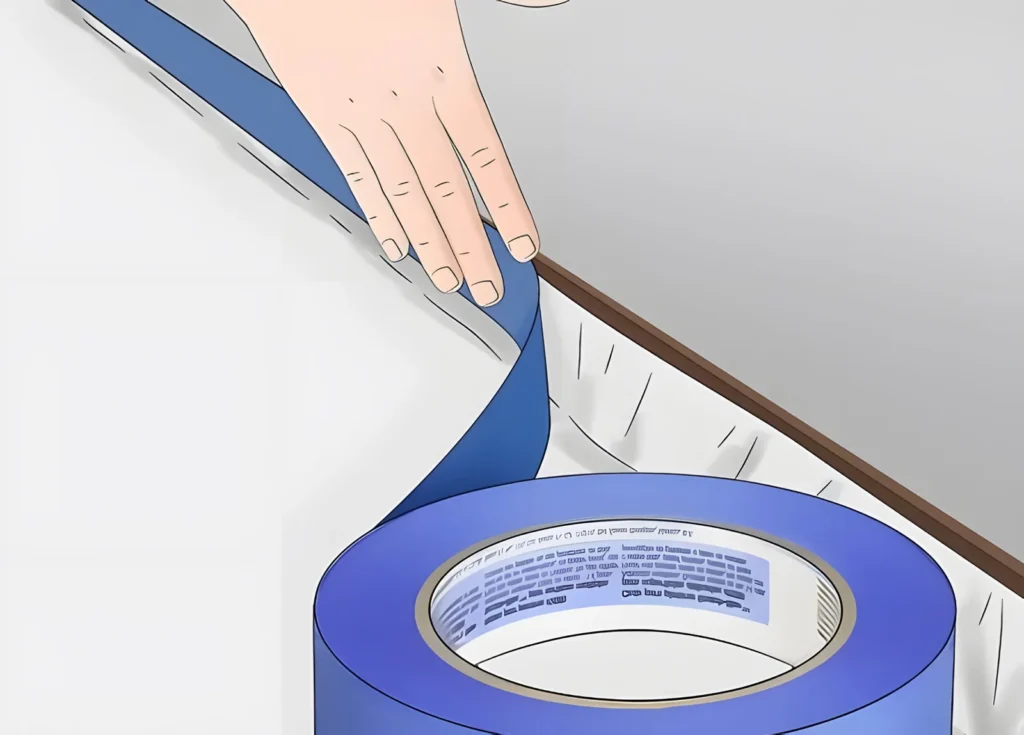
– Cover the areas you do not want to paint with tape.
– Unfortunately, opening windows and doors does run the risk of dirt, dust, pollen, and insects flying into the room, and potentially getting stuck in the paint. If you can, try to open only the windows that are covered with a screen, or tape a piece of mesh over the window if that’s not an option.
– Don’t sand enough to sand down into the paint or the wall underneath, as this might create an uneven appearance in your finished paint job.
– This job will go a lot faster if you have an orbital sander. If you don’t have one, you may be able to rent one from a nearby home improvement store. However, you can also sand by hand if that’s a better option for you.
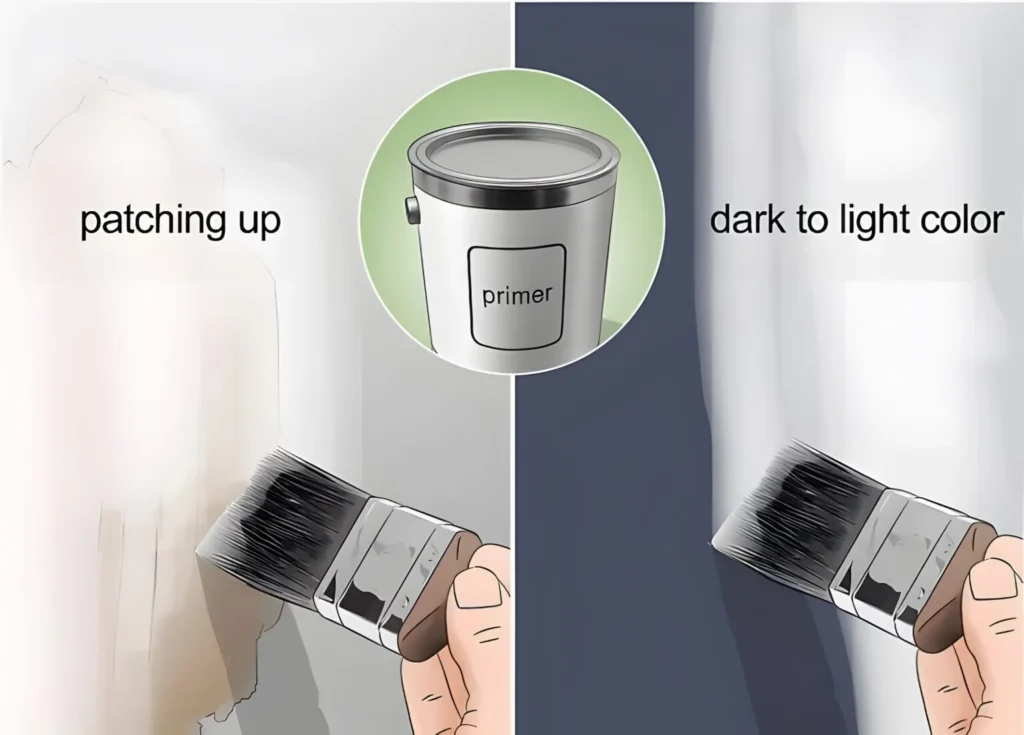
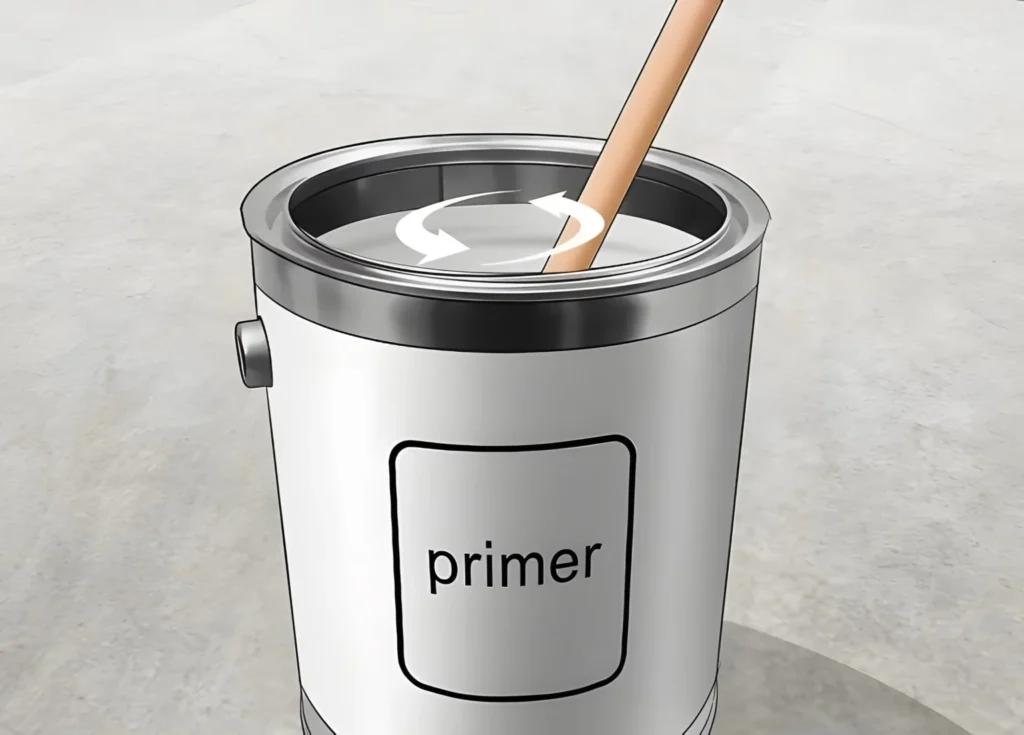
– If the primer has been sitting for a while, you may want to shake the can vigorously before you open it, then stir it afterward.
– Painters who are experienced enough at cutting in might not even have to use painter’s tape!
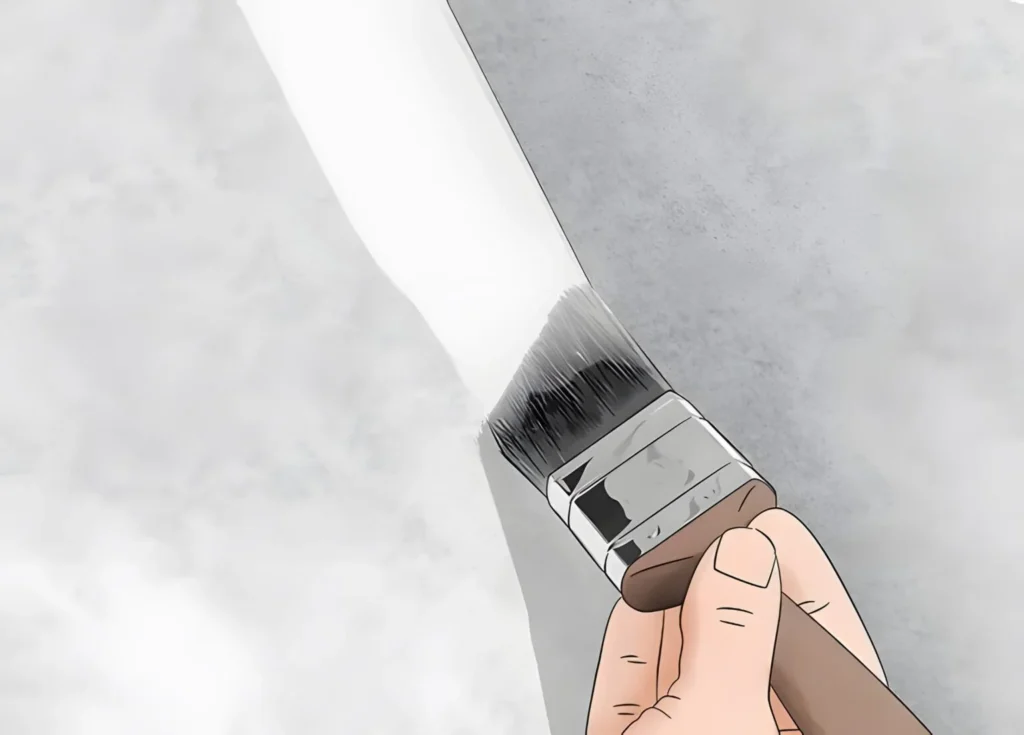
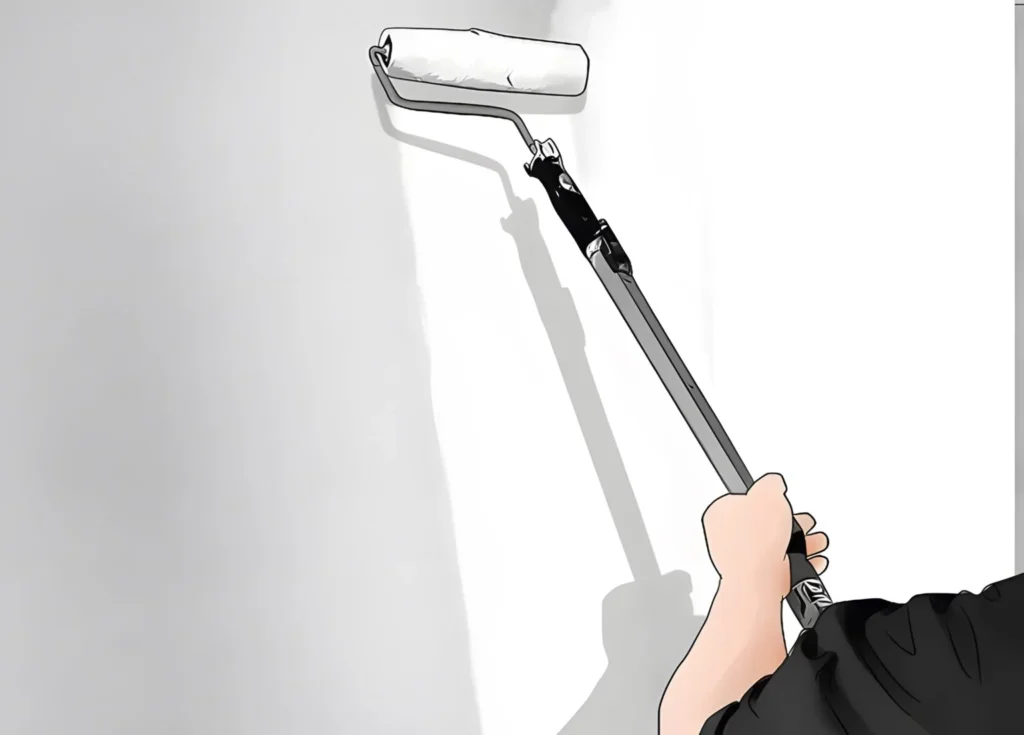
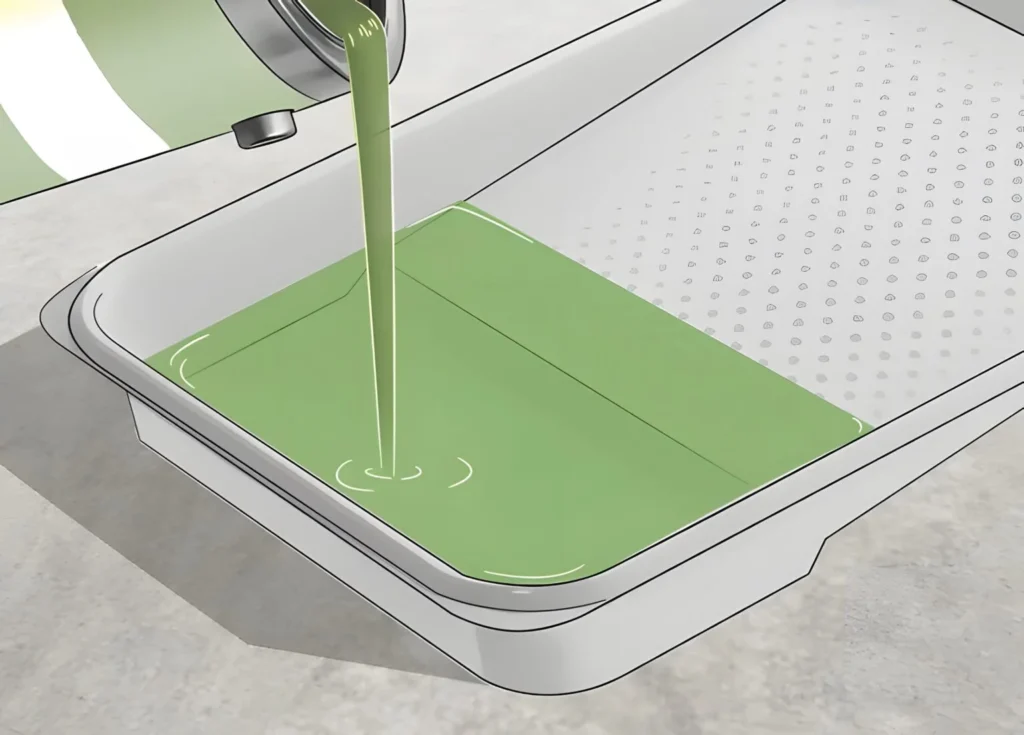
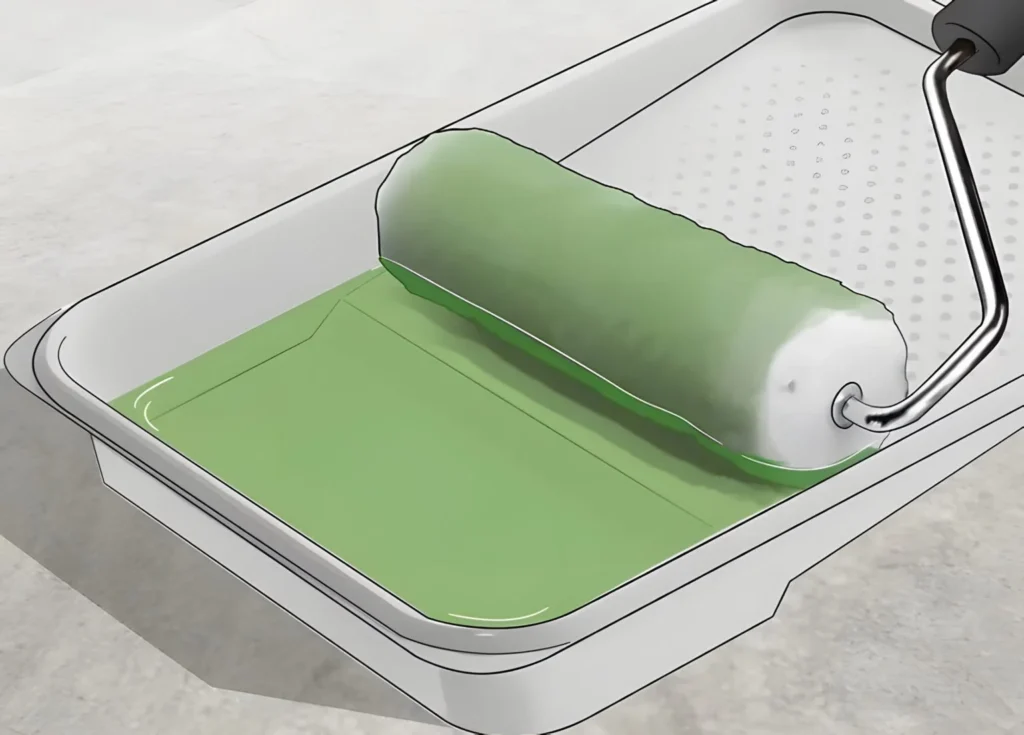
– Pour some primer into a paint tray and add a screen. Slip a clean cover onto your roller, then dip the cover into the primer in the tray. Roll the cover across the screen once to remove any excess, then roll the primer along the wall. When you start seeing small gaps where you’re painting, it means the cover is getting dry and it’s time to add more primer.
– Painting in an M or a W motion can help you avoid streaks in your primer.
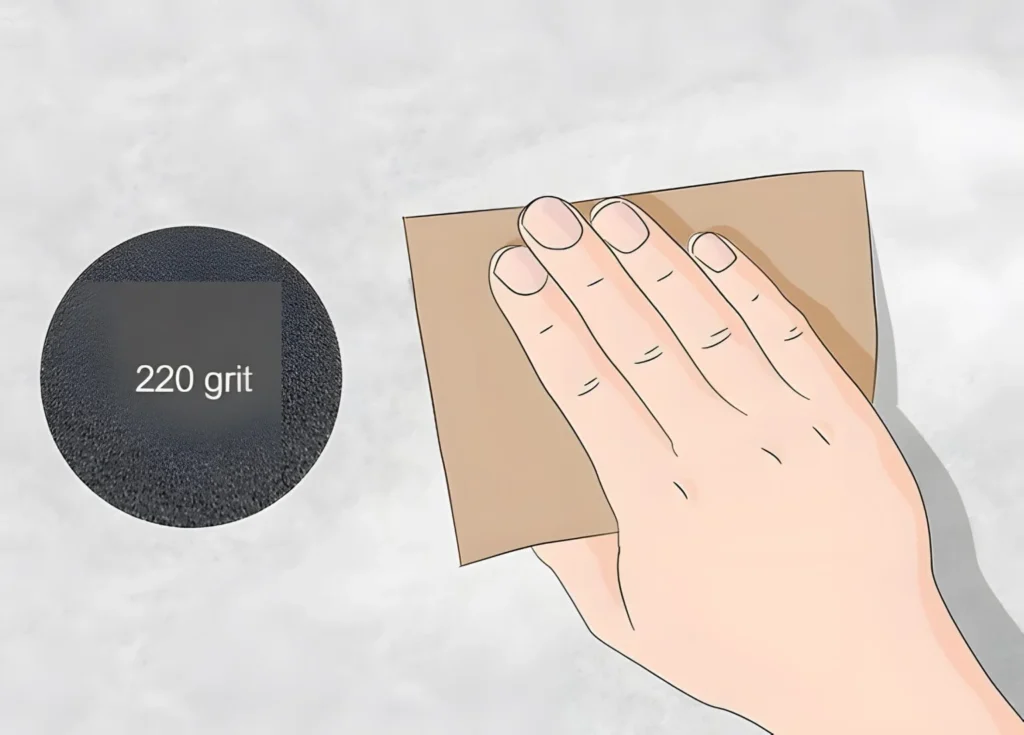
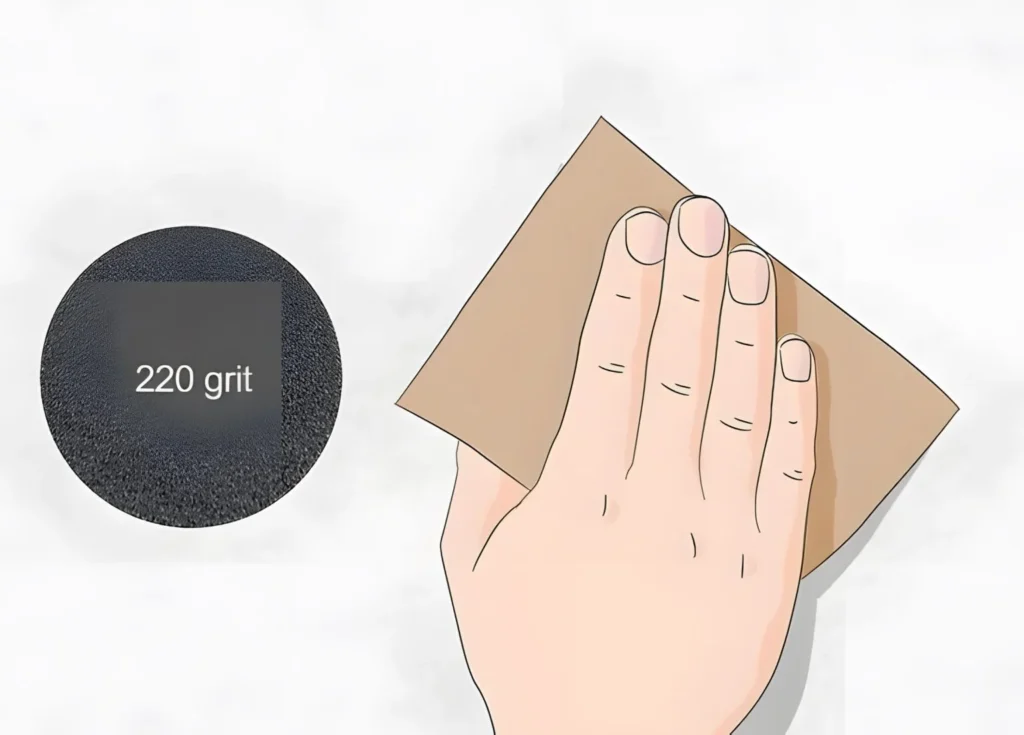
– Once all of your coats of primer have dried completely, go over it with 220-grit sandpaper. Don’t sand away all of your primer—you don’t want to undo the work you just did. Instead, sand just enough to create a slightly rough surface.
– This will help the paint bond to the wall better, giving it a smoother appearance when you’re finished.
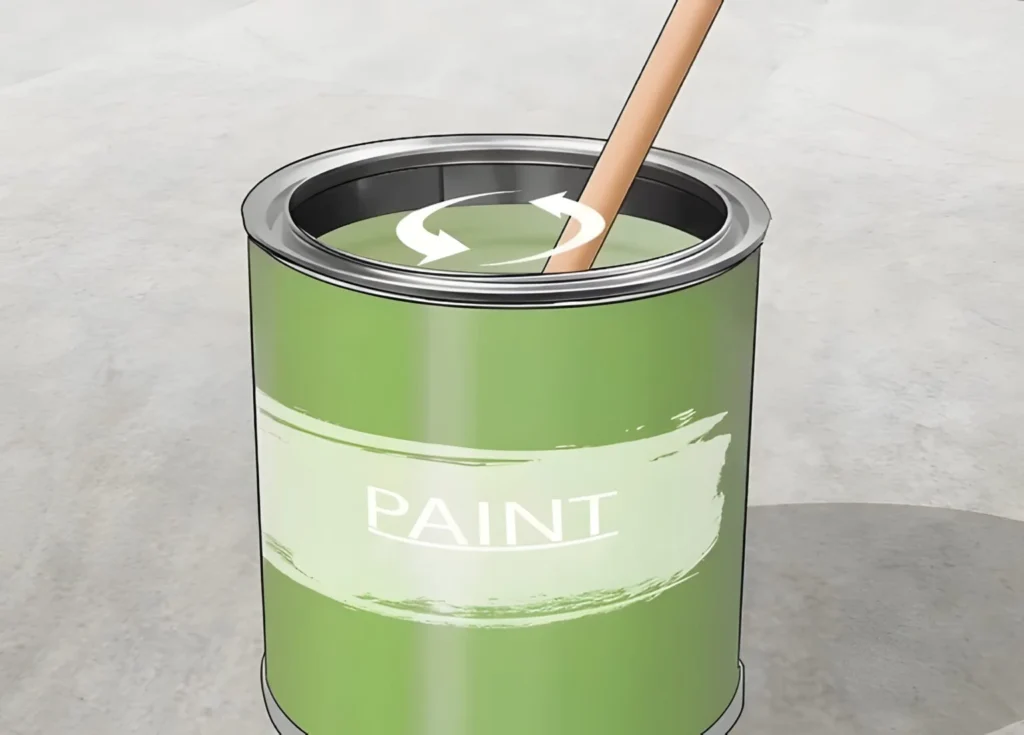
– Paint can settle as it sits, which can sometimes lead to the color being more concentrated at the bottom of the can. To avoid getting an uneven application, stir the can with a paint stick as soon as you open it. If the paint’s been sitting a while, you might even want to shake the can vigorously first, then open it.
– Use a paint can opener or a flathead screwdriver to pry the top off the paint can.
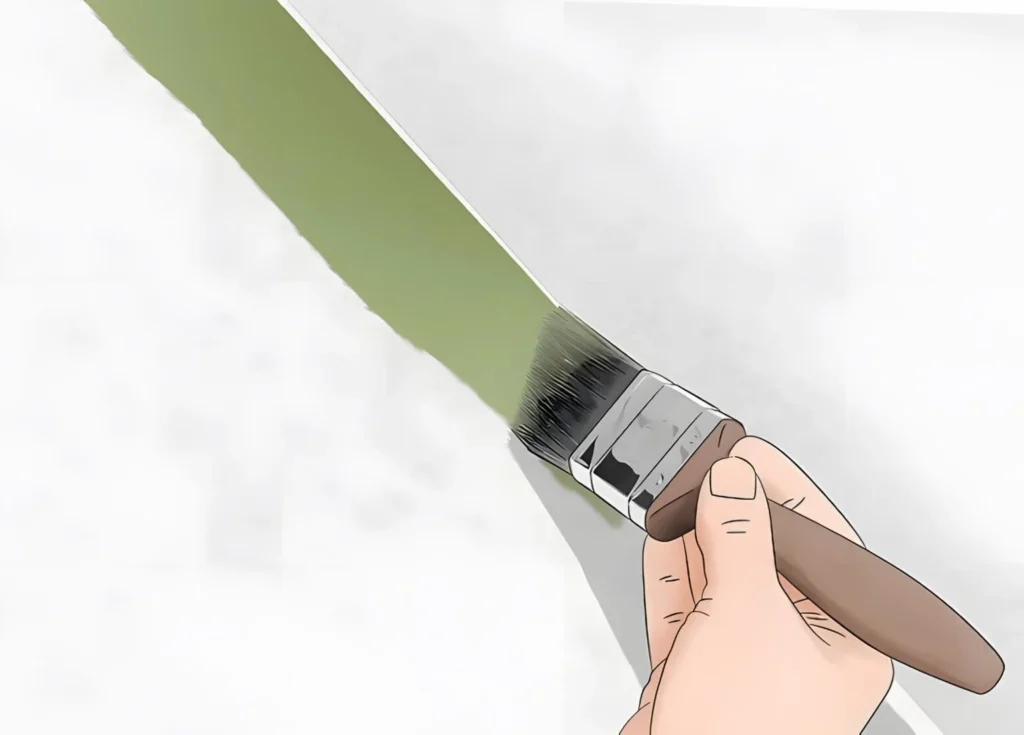
– Dip your brush into the can and tap it to remove any excess. Then, carefully run the paintbrush along the trim, about 1⁄2 in (1.3 cm) from the edge where you want the paint to stop. Then, go back over the same section a second time, this time painting all the way to the trim.
– Typically, you’ll get the best results by cutting in one wall at a time, then rolling that wall before moving to another.
– Cutting in around the doors, windows, and ceiling is more intensive than rolling the walls. If you do roll the walls first, you may be more tired, which can make you more likely to make mistakes.
– For an interior painting job, a 1⁄2–3⁄4 in (1.3–1.9 cm) nap will give you plenty of coverage, but it won’t soak the walls with too much paint like a deeper nap might.
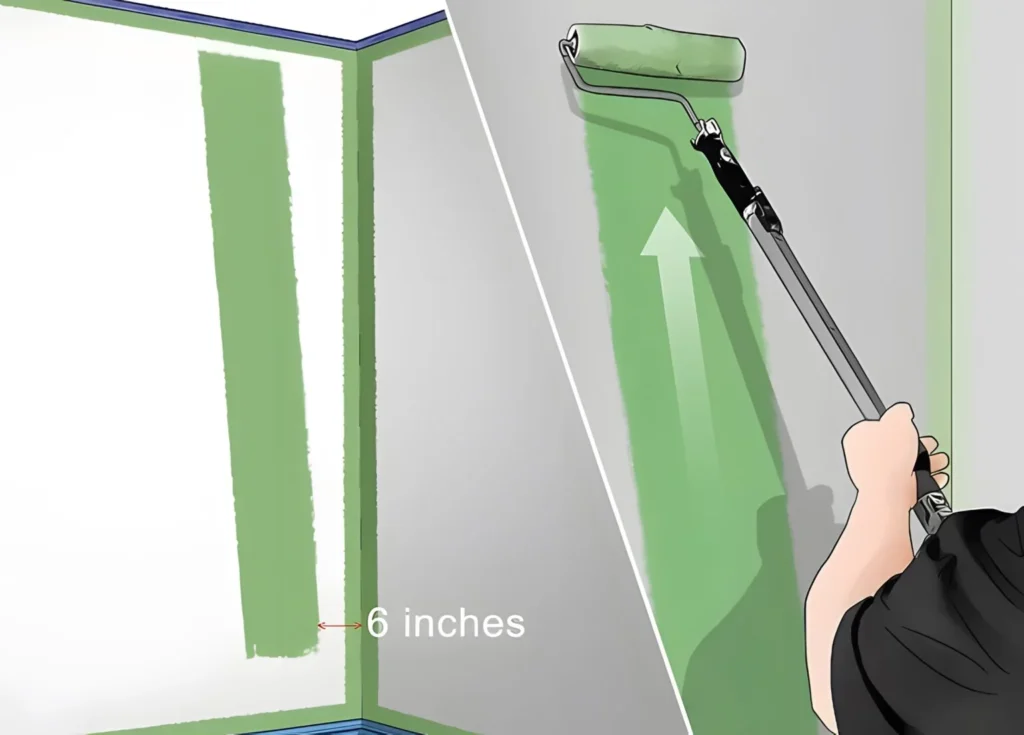
– Don’t put the roller all the way on the top of the wall, or you might accidentally paint the ceiling.
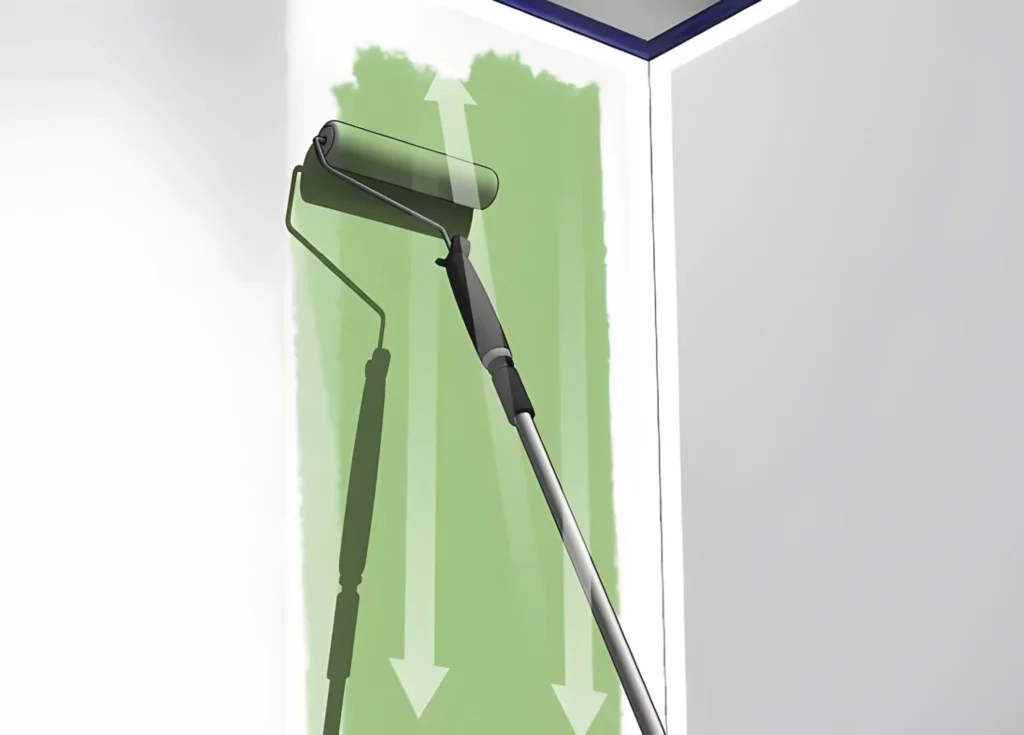
– If you’re having trouble painting from the top of the wall to the bottom in an even motion, draw an imaginary horizontal line halfway down the wall. Paint a v-shape above the line, then another below, overlapping the wet edges of paint slightly.
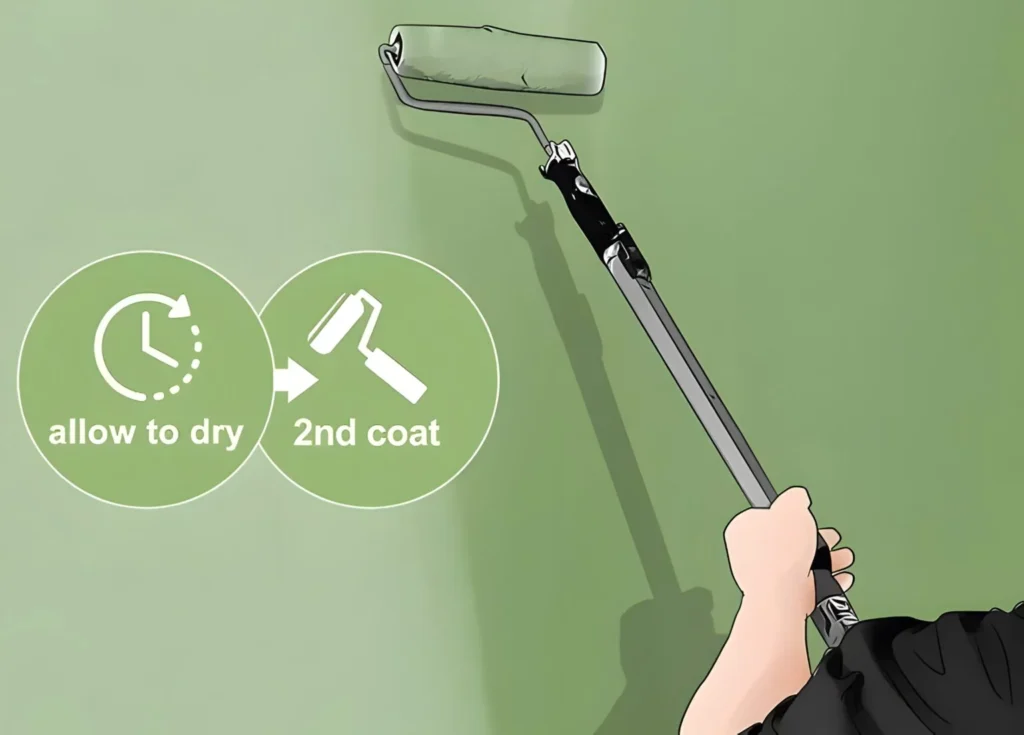
– Don’t try to just touch up certain spots, as the end result will look messy. Apply an even coat of paint to the whole wall, instead.
– If you need to let your paint dry overnight, either wash your brushes or place them in a resealable plastic bag to keep the paint from drying on the bristles.
– When you’re satisfied with the look of your paint job, it’s time for the clean up! Carefully pull away the strips of painters tape from the borders of the room. Then, remove the drop cloths, wash your brushes, and put everything back in the room.
– If the paint accidentally seeps under the tape while painting, resulting in uneven edges, you can choose to repaint the trim to cover up the paint marks, making the overall effect more aesthetically pleasing.